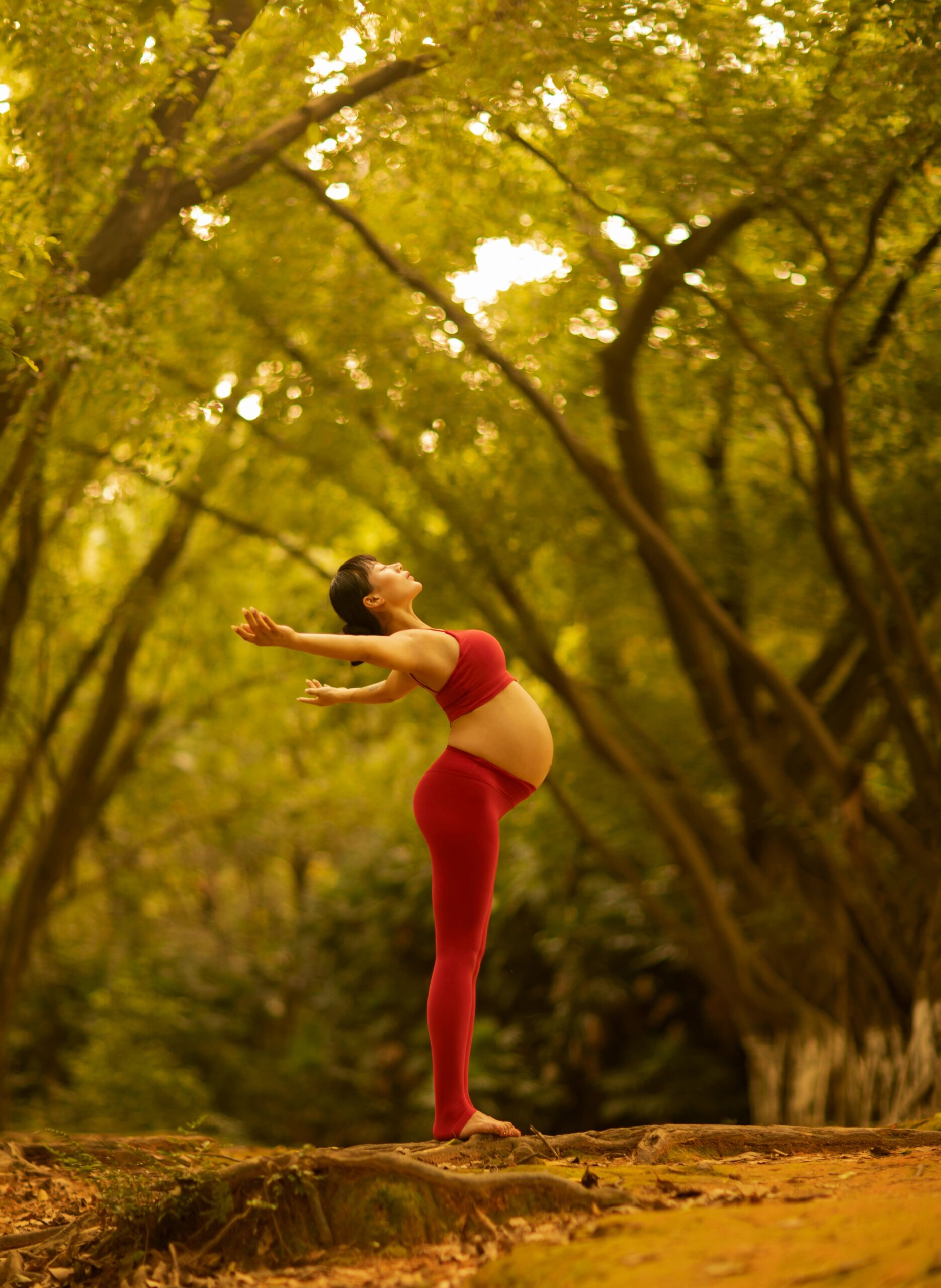
Preparing for Birth: Why Information Alone May Not Be Enough
If birth is a physiological process that unfolds largely beyond conscious control, can we really prepare for it?
Many women spend months reading books, listening to podcasts, attending classes, and gathering information about pregnancy and birth. While knowledge is essential, information alone is rarely enough to prepare us for one of the most intense experiences of our lives.
Birth preparation is not simply an intellectual process. It is also physical, emotional, and deeply embodied.
Why Knowledge Alone May Not Be Enough
Having access to clear, evidence-based information during pregnancy may be fundamental for some women. It allows them and their partners to understand birth, make informed decisions, and navigate maternity care with greater confidence.
But information alone is often insufficient to withstand the pressures of an intervention-focused culture or the physical and emotional challenges that arise during labour.
Trust is not built through information alone.
Trust is built through experience.
This is why, in the birth world, we often speak about inner trust. It is not something we simply believe in. It is something we cultivate through repeated experiences of listening to the body, moving with it, and learning to recognise its wisdom.
Women who wish to approach birth from a place of inner trust benefit from investing in practices that encourage movement, relaxation, surrender, and embodied awareness throughout pregnancy.
And sorry, but this is rarely something we develop in a weekend workshop.
Like any other learning process, the nervous system learns through repetition.
Why I Integrate Body-Based Practices into My Doula Support
Unless I am working with a woman who already has an established self-regulation practice, I combine evidence-based birth education and emotional support with body-based practices.
Alongside information about the physiology of birth, hospital protocols, and the early postpartum period, I integrate yoga, conscious breathing, mindfulness, movement, and Thai massage into my doula support throughout pregnancy.
Not because these practices guarantee a particular birth outcome, but because they help women develop a relationship with their bodies long before labour begins.
Practised regularly, they help regulate the nervous system, cultivate self-awareness, and create opportunities for the body to repeatedly experience states of safety, relaxation, and trust.
Day after day, this becomes the foundation upon which inner trust is built.
Why the Nervous System Matters
The nervous system is constantly asking one essential question:
Am I safe?
It perceives the environment, interprets what is safe or threatening, and adjusts the body’s responses accordingly.
Birth is, by nature, an intense physiological process. Intensity itself is not the problem, but unfamiliarity can naturally trigger fear.
When fear becomes dominant, the sympathetic nervous system prepares the body for protection through fight, flight, or freeze responses. At the same time, stress hormones may interfere with the release of oxytocin and endorphins—the hormones that support labour and help women cope with its intensity.
These hormones flow most freely when a woman experiences privacy, safety, trust, and calm.
This is one of the reasons body-based practices can be so valuable during pregnancy. They repeatedly invite the nervous system back into states of regulation, allowing these pathways to become increasingly familiar.
When labour begins, we are not asking the body to do something entirely new.
We are inviting it to return to patterns it already knows.
Preparing for Birth from the Inside Out
Preparing for birth is not about learning how to control the experience.It is about learning how to meet it.
With openness, practice, and a willingness to trust the wisdom already present within the body, we gradually cultivate the inner trust that allows us to surrender to the unfolding of birth and that is why every woman should follow what resonates better with her.
Some may benefit greatly from gathering information, developing a body-based practice, or receiving continuous support throughout pregnancy. Others may already carry those resources within themselves.
There is no single path to preparing for birth.
What should never change, however, is the way women are cared for.
Regardless of where or how a woman chooses to give birth—at home, in a birth centre, or in a hospital; with or without an epidural; through a vaginal birth or a caesarean section—she should always remain at the centre of her care.
She is the protagonist of her birth.
Her autonomy, her freedom to move, her ability to choose the positions that feel right for her body, and her active participation in every decision are not optional extras. They are fundamental to respectful, evidence-based maternity care.
In my next article, I’ll explore why the birth environment itself plays such an important role in supporting the physiology of birth.